
Skip to content
Comerza

Why Northeast India

Understand the region. Recognise the opportunity. Build your presence.

Northeast India comprises eight states with distinct markets, languages, landscapes and commercial conditions. Businesses that approach the region with that understanding are better placed to succeed.

Eight states, one route

Every state is its own market.

Scroll to trace the route from Guwahati across the region. Each state lights up as the route reaches it.

8 of 8 states

Assam

Capital
Dispur
Area
78,438 km²
Population (2011)
3,12,05,576
Borders
Bhutan, Bangladesh
Official languages
Assamese, Bodo; Bengali in the Barak Valley districts

The region’s most populous state and principal transport gateway, linked to the rest of India through the Siliguri Corridor. Guwahati is the largest city in the Northeast.


Boundaries: DataMeet India community (CC BY 4.0), simplified for display. Routes run from Guwahati to each state capital. For illustration only.

8

states

45.8 mn

people (Census 2011)

2,62,179 km²

combined area

5

neighbouring countries

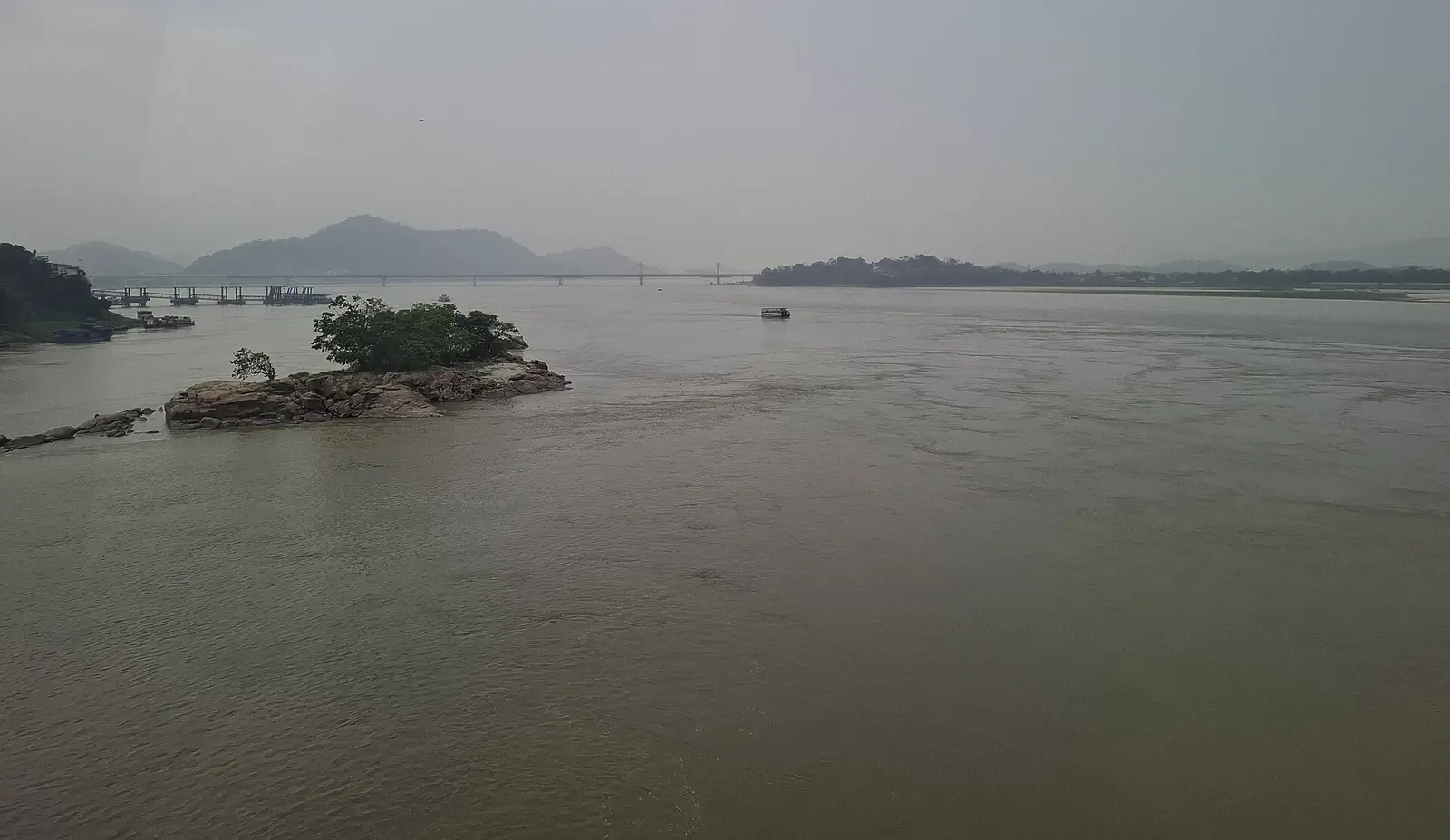
The Brahmaputra at Guwahati, Assam
The Brahmaputra at Guwahati, AssamPhoto: Pinakpani, CC BY 4.0
Shillong from Shillong Peak, Meghalaya
Shillong from Shillong Peak, MeghalayaPhoto: debanutosh, CC0
Majuli river island, Assam
Majuli river island, AssamPhoto: Udit Kapoor, CC BY-SA 4.0

Market-entry considerations

Not one uniform market.

Treating the Northeast as a single market is one of the most common and costly expansion mistakes. These are the factors we help clients plan for.

01

Distinct markets

Each state has its own consumer base, purchasing patterns and commercial centres. A plan that works in Guwahati may need adapting for Aizawl, Kohima or Gangtok.

02

Languages and culture

Official languages range from Assamese, Bodo and Bengali to Mizo, Manipuri, Kokborok, Nepali and English, alongside many community languages. Communication should reflect this.

03

Geography and logistics

Hill terrain, river systems and seasonal weather shape routes, lead times and costs. Distribution plans need to be built around them.

04

Business environment

Commercial structures, local institutions and partner ecosystems differ from state to state. Some states also have specific entry and land regulations that require proper legal advice.

05

Distribution requirements

Coverage beyond the main cities often depends on carefully selected distributors and channel partners with genuine local reach.

06

Phasing and prioritisation

Most businesses benefit from establishing a strong foothold in one or two priority markets before expanding across the region.

Connectivity and opportunity

A gateway between India and its eastern neighbours.

The region shares borders with Bangladesh, Bhutan, China, Myanmar and Nepal, and is linked to the rest of India through the narrow Siliguri Corridor in West Bengal. Guwahati serves as its principal commercial and transport hub.

Under India’s Act East Policy, the Government of India has identified the Northeast as central to strengthening connections with Southeast Asia, and the Ministry of Development of North Eastern Region coordinates development programmes across the eight states. For businesses, this places the region at the meeting point of domestic growth and future cross-border trade.

The value of regional partnerships

Reach depends on relationships.

Distributors, retailers, institutions and service providers with genuine local presence are often the difference between a listing and a market. Selecting and developing them carefully is central to sustainable growth.

Strategic partnerships & distribution →

The importance of local intelligence

Decide with regional evidence.

National datasets rarely capture state-level differences in demand, pricing and preference. Primary, on-the-ground research reduces risk before you commit significant investment.

Market intelligence & research →
Sources

Population and area figures are from the Census of India 2011, the most recent completed national census. Regulatory requirements change; seek appropriate legal advice for specific entry or operating requirements.

Planning your entry into the Northeast?

Tell us which markets you’re considering and what you want to achieve. We’ll help you identify the right starting point.

Start a project